





- : Nicholas Papp
- :
In the rapidly evolving world of software sales, new business models are making waves. Among them, Private Label Rights (PLR) and Master Resell Rights (MRR) are gaining traction.
This comprehensive guide aims to assist you in understanding PLR and MRR in software sales, breaking down both their advantages and challenges.
Table of Contents
What are PLR and MRR?
Before diving into the intricacies, let’s define what PLR and MRR actually mean. PLR allows you to purchase a product, modify it, and then resell it under your own brand.
MRR, on the other hand, enables you to buy a product and resell it as-is, usually with the condition that your customers can also resell it.
The Dark Side
As you delve into understanding PLR and MRR in software sales, it’s crucial to be aware of the potential downsides. These include quality concerns, loss of unique value, and potential damage to your brand’s reputation.
The Silver Lining
Understanding PLR and MRR in software sales also involves recognizing the unique benefits they offer, such as time-saving, multiple revenue streams, and low-cost entry into the market.
Case Study: Systeme.io’s Instant PLR Profit
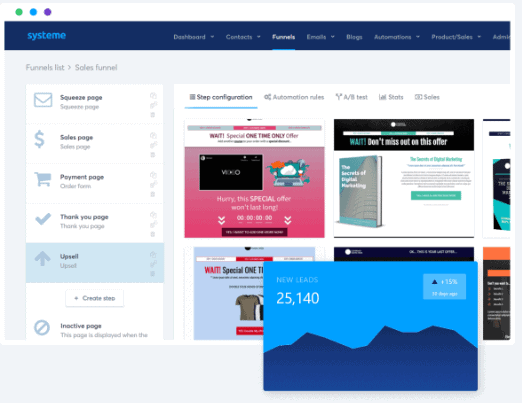
In the realm of all-in-one software solutions, Systeme.io is taking a unique approach with their product, Instant PLR Profit. This offering allows users to tap into the PLR market, providing them with digital products and video lessons that they can edit and sell under their own brand.
What sets Systeme.io apart is that they not only offer the tools for sales funnels and email marketing but also provide a direct avenue for generating passive income through PLR products.
A Closer Look: The Viral Risk of MRR
In our journey to understand PLR and MRR in software sales, it’s important to consider the risks, especially those associated with the MRR model. These risks include market saturation, legal implications, and ethical considerations.
Expert Tips for Understanding PLR and MRR in Software Sales
If you’re considering adopting one of these models, here are some expert tips to keep in mind:
- Conduct a thorough quality check.
- Customize the product to align with your brand.
- Keep open communication with your audience.
The Solution? Educate and Diversify
If you’re grappling with these new business models, understanding PLR and MRR in software sales can guide you toward more ethical and sustainable alternatives, such as affiliate marketing or white labeling.
Conclusion
In summary, understanding PLR and MRR in software sales is crucial for navigating the complexities of today’s software industry. By being aware of both the pros and cons, you can make informed decisions that benefit not just you, but the industry as a whole.
Recent Posts from GHL Central:

GoHighLevel Summer Promo 2026: Save 50% + Free AI Tools
⏳ Window 1 Closed – Next Window Opens June 22, 2026 The June 1-7 promo window has ended. The next 50% off window opens June

GoHighLevel Summer of AI 2026: Free AI Tools for Every HighLevel Account (Full Guide)
The GoHighLevel Summer of AI 2026 is a three-month campaign running June 1 through August 31 that gives HighLevel users access to the platform’s full

HighLevel AI Employee Plans Explained: Pay As You Go vs Growth vs Unlimited (2026)
If you’ve opened the AI plan selection screen inside HighLevel and weren’t sure what to pick, you’re not alone. The three HighLevel AI Employee plans

NHX Boracay 2026 SaaS Bootcamp: Philippines SaaS Founders, AI & HighLevel Innovation
The NHX Boracay 2026 SaaS Bootcamp brought together some of the brightest SaaS founders, AI innovators, automation experts, and entrepreneurs in the Philippines for three

GoHighLevel Pricing: Starter vs Unlimited vs Agency Pro (2026)
Choosing the right GoHighLevel pricing plan feels harder than it should. Three plans with clear monthly prices seems simple enough on the surface. But once

HighLevel LIVE Manila 2026: Why the Philippines Is Becoming an APAC HighLevel Hub
For years, the HighLevel movement across Asia-Pacific has been growing quietly behind the scenes. Small meetups. Small Zoom calls. Small communities of agency owners, freelancers,